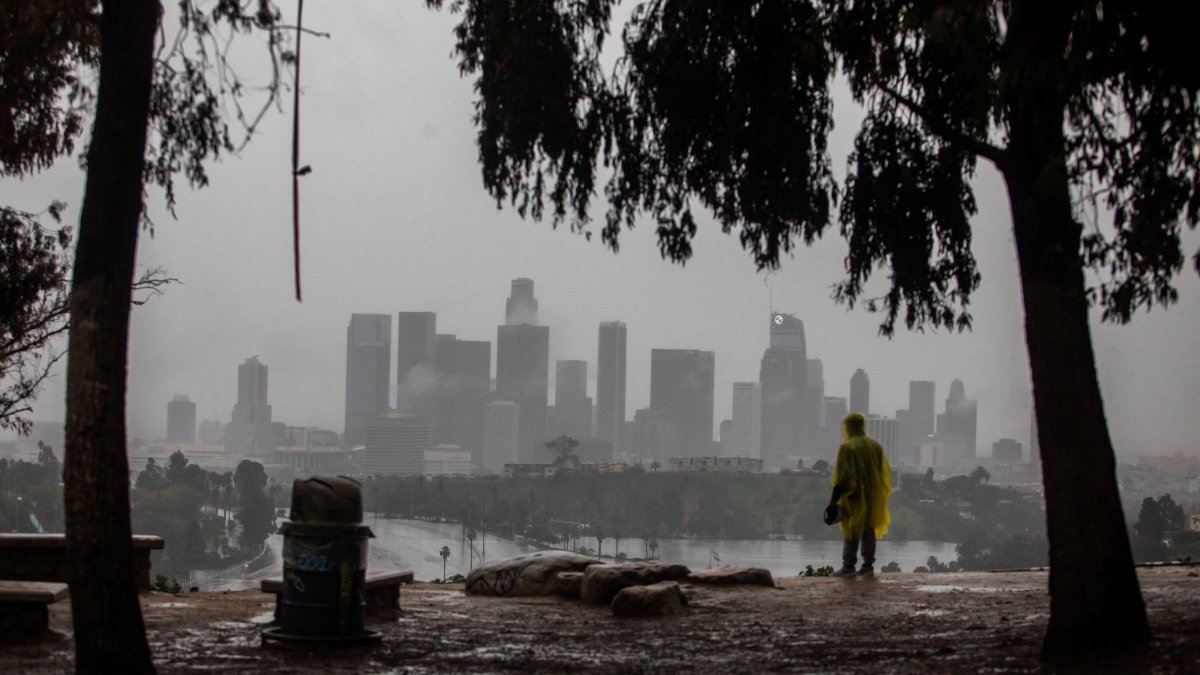
Los Angeles Braces for Unprecedented Weather: A Rare Tornado Risk and Widespread Flooding Threat
The typically sun-drenched landscape of Los Angeles is currently under an unusual and serious meteorological alert. As a formidable storm system bears down on the West Coast, authorities have issued a stark warning: Los Angeles has been elevated to a Level 1 tornado risk area by the National Oceanic and Atmospheric Administration’s (NOAA) Storm Prediction Center. This classification, coupled with forecasts of torrential rainfall and strong winds, puts the sprawling Southern California metropolis in a rare and potentially dangerous situation. Residents are urged to pay close attention to updates, as the possibility of an actual Tornado Warning Los Angeles could become a reality, alongside significant flash flooding, particularly in vulnerable areas affected by previous wildfires.
This isn't merely a severe weather advisory; it's a multi-faceted threat demanding immediate attention and preparedness from every community member. Beyond the swirling vortex of a potential tornado, the storm promises to unleash a deluge, raising alarms for widespread flash flooding and debris flows, especially in fire-scarred regions. With evacuation warnings already in place for several areas, Los Angeles officials are mobilizing resources and underscoring the critical importance of community vigilance and readiness. Understanding the nuances of this rare event is key to navigating the coming days safely.
Unpacking the Rare Tornado Risk in Los Angeles
For many, the idea of a tornado sweeping through Los Angeles seems almost fictional, more akin to a movie plot than a real-world threat. Yet, the current Level 1 risk classification by NOAA’s Storm Prediction Center is a serious indicator, signaling that conditions are ripe for isolated tornadoes to form. This is a significant event, as it marks the first time since February 2023 that Los Angeles has been included in such a tornado risk zone, highlighting the rarity of the current atmospheric conditions. While tornadoes are indeed uncommon in Southern California, they are not entirely unprecedented.
History reminds us that these events, though infrequent, do occur. A small tornado was recorded in Los Angeles County as recently as April 2023. Even more notably, the strongest tornado seen in 40 years impacted the Montbello area in the same year, resulting in injuries. These past incidents serve as crucial reminders that while the probability might be low compared to Tornado Alley, the potential for impact is very real when the conditions align. Forecasters are particularly concerned about the period from Tuesday morning through midday, advising caution for potential wind damage along the Southern California coast, which could precede or accompany an isolated tornado.
A "Level 1" risk on the NOAA's five-level scale signifies a marginal risk, meaning isolated severe thunderstorms are possible, which could produce brief, weak tornadoes. This doesn't mean a massive, long-track tornado is expected, but rather smaller, potentially damaging funnels that can form rapidly within severe thunderstorms. If a Tornado Warning Los Angeles is issued, it means a tornado has been sighted or indicated by radar, requiring immediate action. For more in-depth analysis on why this rare threat is occurring, you can refer to our detailed article: Why Los Angeles Faces a Rare Level 1 Tornado Risk and Flood Threat.
Beyond Tornadoes: The Multi-Layered Threat of Flooding and Winds
While the tornado risk captures headlines due to its unusual nature, the storm system presents a far broader array of dangers to the region. Heavy rainfall is a certainty, with rain totals anticipated to reach between 1 to 4 inches across Los Angeles. This amount of precipitation, particularly over a short period, heightens the risk of flash flooding, a severe concern for Southern California's unique topography.
One of the most pressing threats comes from areas with burn scars from previous wildfires. These landscapes, stripped of vegetation, are highly susceptible to significant runoff and erosion, dramatically increasing the likelihood of flash floods and dangerous debris flows. The Weather Prediction Center has categorized Los Angeles under a Level 2 risk zone on a four-level scale for severe weather, specifically due to the heightened flash flooding risks. Current evacuation warnings are already in place for several burn scar areas across Los Angeles County, including the Palisades, Altadena, Sylmar, and portions of the Hollywood Hills. Residents in these zones must take these warnings seriously and be prepared to act swiftly if an evacuation order is issued.
Adding to the complex weather pattern are strong wind gusts, forecasted to range from 40 to 55 mph in the coming days. These powerful winds can lead to widespread power outages, down trees, and create hazardous driving conditions. The cumulative effect of tornadoes (even brief ones), torrential rain, flash flooding, and high winds creates a challenging environment that demands careful monitoring and proactive safety measures from everyone in the path of the storm.
Essential Preparedness: What to Do When a Storm Strikes
Given the unprecedented nature and diverse threats posed by this storm system, preparedness is paramount. Here's what Los Angeles residents need to know and do to stay safe:
- Stay Informed: This is the golden rule during any severe weather event. Monitor local news, weather apps, and official alerts from the National Weather Service (NWS) and local emergency management agencies. Have a battery-powered or hand-crank radio to receive updates if power goes out.
- Tornado Safety: If a Tornado Warning Los Angeles is issued for your area, seek immediate shelter.
- Go to an interior room on the lowest floor of a sturdy building.
- Stay away from windows.
- If you are in a mobile home or vehicle, seek a more substantial shelter immediately.
- Cover your head and neck with your arms or a blanket.
- Flash Flood Preparedness:
- "Turn Around, Don't Drown!" Never drive or walk through floodwaters. Just six inches of fast-moving water can knock you down, and 12 inches can sweep a car away.
- If you live in a low-lying area or near a burn scar, be ready to evacuate immediately if advised by authorities. Have an emergency kit packed and your car fueled.
- Elevate valuables and critical documents in your home to protect them from potential flood damage.
- Emergency Kits: Ensure your emergency kit is fully stocked with essentials like water (one gallon per person per day for several days), non-perishable food, flashlights, extra batteries, a first-aid kit, medication, and a power bank for charging phones.
- Power Outage Planning: Charge all electronic devices, have external battery packs ready, and ensure you have blankets and warm clothing as temperatures can drop significantly without power. Know how to manually open garage doors if power is lost.
- Evacuation Plans: Discuss and practice evacuation routes with your family. Know where you would go (friends/family out of the affected area, designated shelters) and how you would get there.
For a comprehensive guide on preparing for all aspects of this severe weather, including detailed evacuation procedures, please read our related article: LA Storm Alert: Preparing for Tornadoes, Flash Floods, and Evacuations.
Official Response and Ongoing Monitoring
Los Angeles officials are not taking these threats lightly. Resources, including strike teams, have been deployed across the region in anticipation of potential evacuations, rescue efforts, and cleanup operations. Emergency services are on high alert, and communication channels are being established to provide real-time updates to the public. The early start of the storm, which has already affected Northern California with flight delays at San Francisco Airport, serves as a harbinger of what's to come for the south.
The National Weather Service continues to issue regular updates and specific advisories for various parts of Southern California, including flood watches and severe thunderstorm warnings. While recent brief tornado warnings for southwestern Los Angeles County expired without incident, they underscore the volatile and rapidly changing nature of this storm system. Continued vigilance and adherence to official guidance will be critical in the coming hours and days.
Conclusion: Navigating the Storm Together
The convergence of a rare tornado risk, heavy rainfall, flash flooding, and powerful winds presents an extraordinary challenge for Los Angeles. While the prospect of a Tornado Warning Los Angeles is unsettling, understanding the threat, preparing proactively, and heeding official advice can significantly mitigate risks. This is a time for community solidarity, where neighbors check on neighbors, and everyone prioritizes safety above all else. By staying informed, having an emergency plan, and taking immediate action when alerts are issued, Los Angeles can navigate this powerful storm system and emerge resilient.