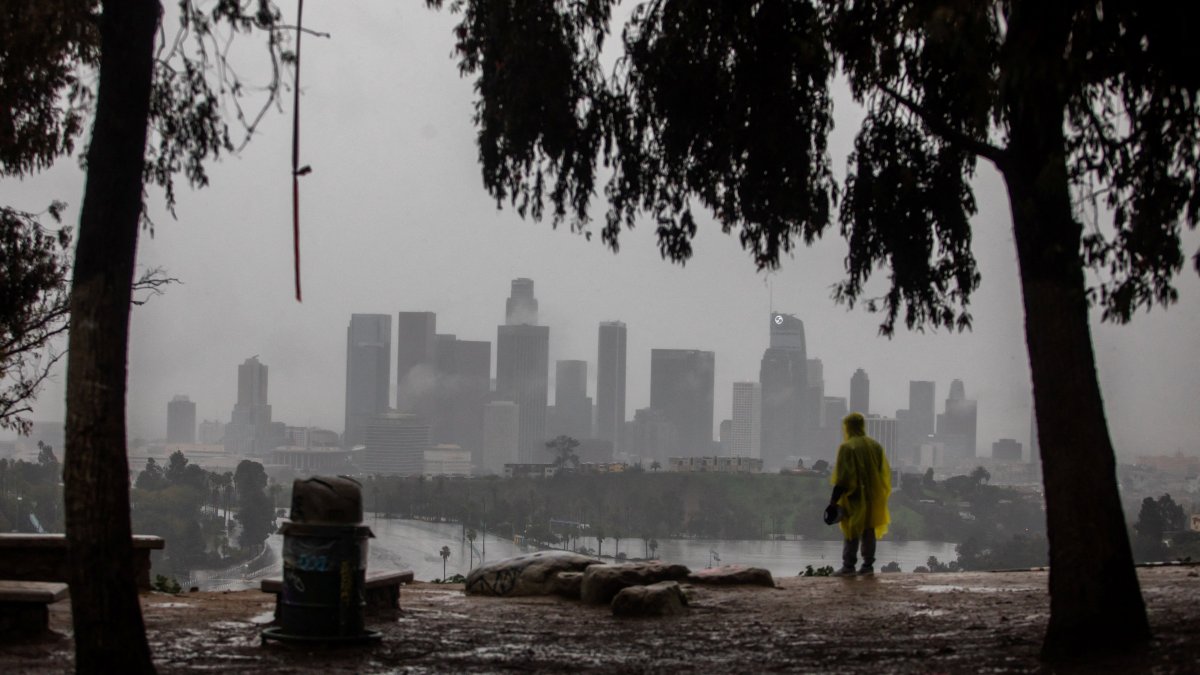
A powerful and unusual storm system is bearing down on the West Coast, placing Los Angeles squarely in the path of severe weather threats rarely seen in the region. Residents across the sprawling metropolis are bracing for a multi-faceted assault of heavy rainfall, flash flooding, and, most notably, a rare Level 1 tornado risk. This isn't just a typical winter storm; it's a critical alert demanding heightened vigilance and preparedness from every community. With the National Oceanic and Atmospheric Administration (NOAA) issuing a direct Tornado Warning Los Angeles residents need to understand the specifics of these threats and what steps to take to ensure their safety and the safety of their loved ones.
Officials are already mobilizing resources, preparing for potential evacuations, and urging the public to stay informed as conditions are expected to deteriorate. From the immediate danger of an isolated tornado to the insidious threat of flash floods in wildfire-scarred areas, and the broader disruptions of high winds and power outages, this storm system requires a comprehensive approach to preparedness.
Understanding Los Angeles' Rare Tornado Threat
For many Angelenos, the concept of a tornado warning might seem foreign, something typically associated with the Midwest's "Tornado Alley." However, the current storm system has significantly shifted this perception. The NOAA's Storm Prediction Center has classified Los Angeles as a Level 1 risk area on their five-level tornado risk scale, a designation that hasn't been seen since February 2023. This "marginal risk" indicates the potential for an isolated tornado, with forecasters particularly eyeing the window from Tuesday morning through midday along the Southern California coast for potential wind damage.
Unpacking the Level 1 Risk
While a Level 1 risk is the lowest on the NOAA scale, it is by no means insignificant, especially for a region unaccustomed to such warnings. It signifies that scattered severe storms are possible, with a low but non-zero probability of tornadoes. The specific atmospheric conditions created by this approaching storm system are conducive to the rapid formation of these rotating columns of air, even if they are typically smaller and less intense than their Midwestern counterparts. The primary concern is not just the tornado itself, but the associated strong winds that can cause considerable localized damage, including downed trees and power lines, and structural impacts.
A Look Back: Tornadoes in Southern California
Despite their rarity, tornadoes are not entirely unprecedented in Los Angeles County. In April 2023, a small tornado was indeed recorded within the county. Even more notably, the strongest tornado seen in 40 years impacted the Montbello area in the same year, resulting in injuries to one person. These historical precedents serve as a stark reminder that while unusual, the threat is real and warrants serious attention. Brief tornado warnings were even issued recently for southwestern Los Angeles County, though they expired without incident. This pattern underscores the dynamic and unpredictable nature of the current weather system, necessitating constant vigilance.
Navigating the Flash Flood Danger, Especially Near Burn Scars
Beyond the tornado risk, the impending storm system is expected to unleash a deluge of rain across the region. Forecasts predict rain totals could reach between 1 to 4 inches, a significant amount for any area, but particularly concerning for Los Angeles with its complex topography and recent history of wildfires. The Weather Prediction Center has categorized Los Angeles under a Level 2 risk zone on a four-level scale for severe weather, specifically highlighting heightened concerns regarding flash flooding.
Why Burn Scars Amplify Flood Risk
The danger of flash flooding is dramatically amplified in areas with burn scars from previous wildfires. When wildfires rage, they don't just consume vegetation; they fundamentally alter the soil itself. The intense heat can create a water-repellent layer on the soil surface, known as hydrophobic soil. This prevents rainwater from being absorbed into the ground, causing it to run off rapidly across the surface. Without vegetation to hold the soil in place, these areas are highly susceptible to significant runoff, erosion, and dangerous debris flows, which can carry mud, rocks, and trees, posing an immense threat to homes and infrastructure downstream.
Areas Under Heightened Watch
Current evacuation warnings are in place for several burn scar areas across Los Angeles County, specifically targeting communities such as the Palisades, Altadena, Sylmar, and the Hollywood Hills. Residents in these and other fire-affected zones must heed these warnings immediately and prepare for potential evacuation orders. Flood watches are also in effect for various regions in Southern California, signaling the likelihood of substantial debris flows and flooding, particularly in these vulnerable areas. For more details on the specific risks and how Los Angeles is preparing for this dual threat, you can read our related article: Why Los Angeles Faces a Rare Level 1 Tornado Risk and Flood Threat.
Preparing for Potential Evacuations and Broader Storm Impacts
With the gravity of the approaching storm, officials in Los Angeles are preparing for possible large-scale evacuations. This proactive stance is crucial for public safety, and residents must be equally prepared to act swiftly if an evacuation order is issued for their area. Beyond direct threats, the storm is also expected to bring widespread disruptions.
Wind gusts ranging from 40 to 55 mph are forecasted in the coming days. These powerful winds can have severe repercussions, including widespread power outages as trees fall onto utility lines and infrastructure is damaged. Downed trees can also block roads, create hazards, and cause property damage. Even transportation is affected, with the storm system already disrupting Northern California and leading to flight delays at San Francisco Airport, indicating potential impacts for air travel throughout the state.
Creating Your Emergency Plan and Go-Bag
Every household should have an emergency plan in place, especially when facing such a complex weather threat. Here are critical steps to take:
- Build a "Go-Bag": This emergency kit should contain essentials for at least 72 hours, including water, non-perishable food, first-aid supplies, essential medications, copies of important documents, flashlights, extra batteries, a NOAA weather radio, a whistle, hygiene items, and warm clothing. Don't forget chargers for your mobile devices.
- Family Communication Plan: Establish how your family will communicate if separated and if traditional channels (cell service, internet) are down. Designate an out-of-state contact person for family members to check in with.
- Know Your Evacuation Routes: Familiarize yourself with primary and secondary evacuation routes from your home and workplace. Have a full tank of gas in your vehicle.
- Secure Your Home: Bring in or secure outdoor furniture, trash cans, and anything that could become a projectile in high winds. Clear gutters and drains to prevent localized flooding around your property.
- Protect Pets: Include pet food, water, and carriers in your emergency kit. Know where pet-friendly shelters are located or have a plan for their care during an evacuation.
Staying Informed During the Storm
The most critical component of preparedness is staying informed. Rely on official sources for real-time updates and emergency instructions:
- National Weather Service (NWS) Los Angeles: Monitor their website and social media channels for the latest weather alerts, warnings, and advisories.
- NOAA Weather Radio: A battery-powered NOAA weather radio can provide continuous updates even if power or cell service is lost.
- Local Emergency Services: Follow updates from the Los Angeles County Office of Emergency Management, your local fire department, and city officials.
- Alert Systems: Sign up for local emergency alert systems (e.g., Nixle, Alert LA County) which can send notifications directly to your phone.
Essential Actions for Los Angeles Residents
Given the unusual nature of this storm, complacency is not an option. Thousands of residents are already under flash flood warnings and flood advisories, with conditions expected to deteriorate through the day. The National Weather Service has explicitly urged residents to stay alert for possible tornadoes, noting that they can form quickly within severe thunderstorms. This means preparedness is not a one-time task but an ongoing state of readiness.
Take proactive steps now to prepare your home and family. Do not underestimate the potential impact of high winds, localized tornadoes, or the severe flooding exacerbated by burn scars. If you are in an evacuation warning zone, be ready to leave at a moment's notice. If an evacuation order is issued for your area, leave immediately for your safety. Remember, emergency personnel may become overwhelmed, so taking personal responsibility for your preparedness is paramount. Your vigilance and proactive measures can make a significant difference in minimizing risks and ensuring the well-being of your community.
The approaching storm system presents an unprecedented challenge for Los Angeles, blending the rare threat of tornadoes with severe flash flood risks and widespread storm impacts. By understanding the specific dangers, preparing thoroughly with an emergency plan and a well-stocked go-bag, and staying continuously informed through official channels, Angelenos can navigate this severe weather event safely and effectively. Prioritize your safety, heed all warnings, and look out for your neighbors as the city collectively prepares for this formidable weather system.